800 Tseras
Raising awareness, highlighting the value of, and preserving for the future
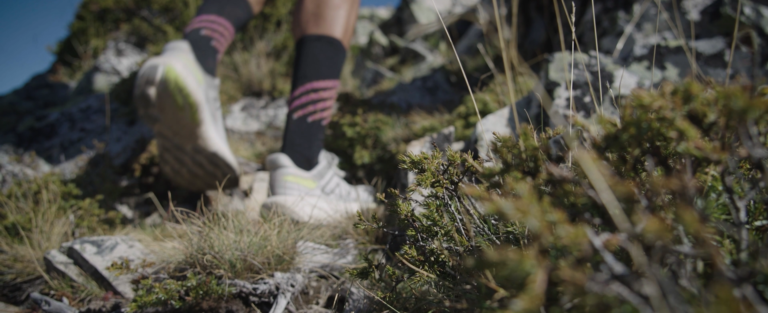
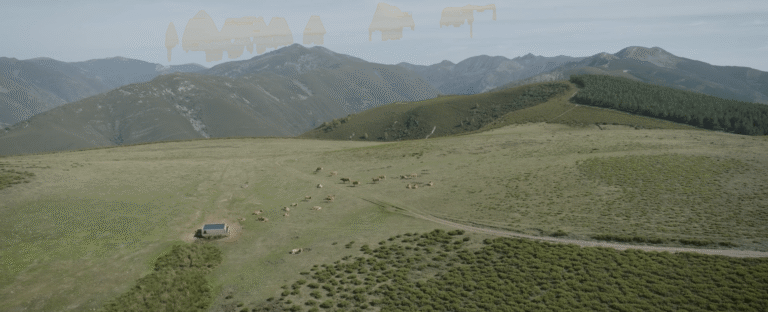
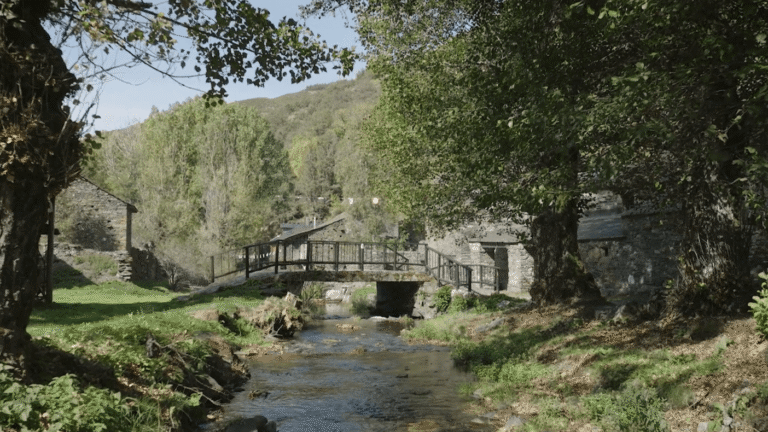
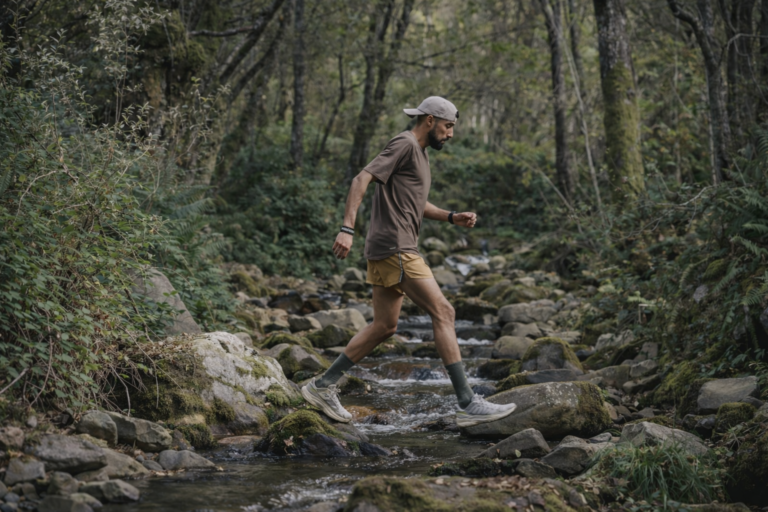
My project, named “800 Tseras”—referencing a local dialect term for a scree slope or accumulation of rock deposits left by glacial activity—features a demanding 24-kilometer high-mountain route designed by the runner himself. It traverses the eight peaks exceeding 2,000 meters in altitude that crown the Alto Sil region, taking in the area’s forests, lakes, and mountain meadows.
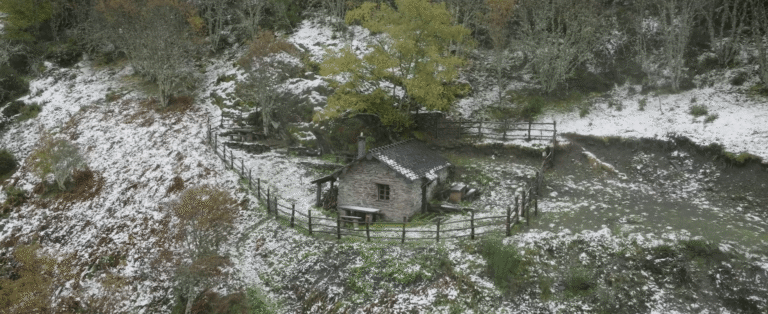
“It is essential to reclaim the traditional way of life of our ancestors—not to forget it despite the necessary evolution of the times. That is why it is important to highlight its value, preserve it, and, if need be, restore it; we are dealing with an immense natural and cultural legacy that must be passed on to future generations in the best possible way,” notes the figurehead of a campaign launched by the Bierzo District Council.
A unique landscape
In fact, the organization’s intention to recognize the athlete’s sporting achievements prompted him to propose this route—not only to popularize it but, above all, to ensure its preservation and highlight its value, as it features a nearly unique landscape of glacial valleys that have transformed the terrain into true geological gems, he states with conviction.
Ordóñez speaks with genuine devotion about the landscape he knows so well—a place that sometimes serves as a sanctuary where he can find the focus needed to pursue his goals. He mentions locations such as El Chao, Valdeiglesias, and Catoute (the highest peak in the El Bierzo region), as well as species like the brown bear and the Cantabrian capercaillie—both at serious risk of extinction—which also serve as sources of inspiration for his athletic endeavors.
“I find not only the mental respite I need but also the ideal terrain for rigorous training,” says the national record-holder in the 800 meters—an event in which Spanish athletics boasts some of the world’s top competitors.
Combating “Empty Spain”
The athlete—who seeks no financial gain from this initiative, for which he is altruistically lending his image—is a staunch advocate for combating depopulation and the phenomenon known as “Empty Spain.”
“It is about trying to preserve a way of life that once existed but is now fading away in an area depressed by the end of the mining industry—a region that lacked the necessary initiatives to find alternatives to this deindustrialization. I remain convinced that it is possible to live in this environment, maintaining a sustainable lifestyle and traditional customs without shunning progress,” he declares.
In this regard, he is also critical of certain initiatives in the area; while the mining sector once generated great wealth there, the subsequent abandonment of the industry led to the choice of the easy path, rather than pursuing the preservation of cultural, natural, and ethnographic heritage—an alternative that could have helped avert depopulation.